



Project Case
Kallmann Museum
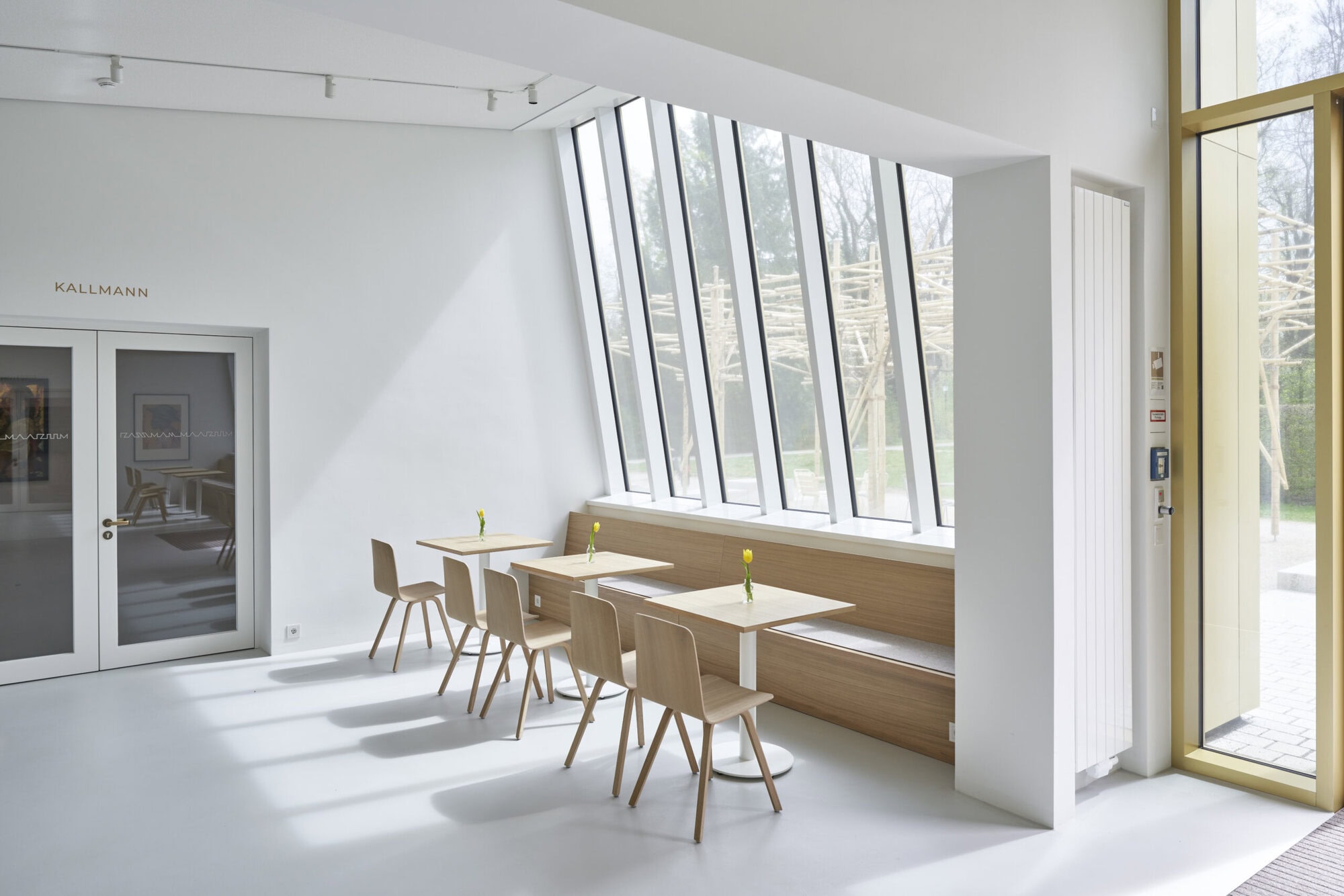
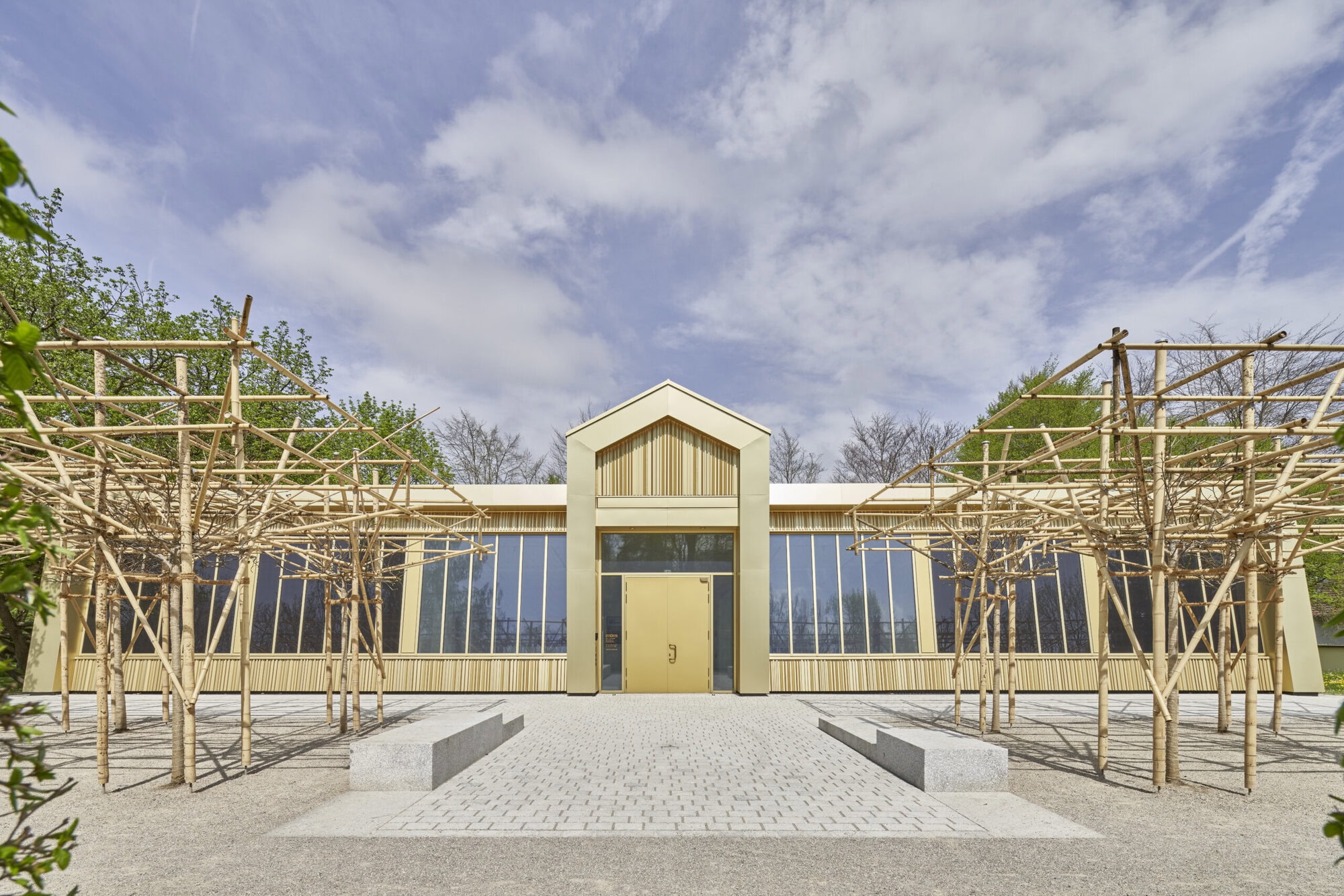
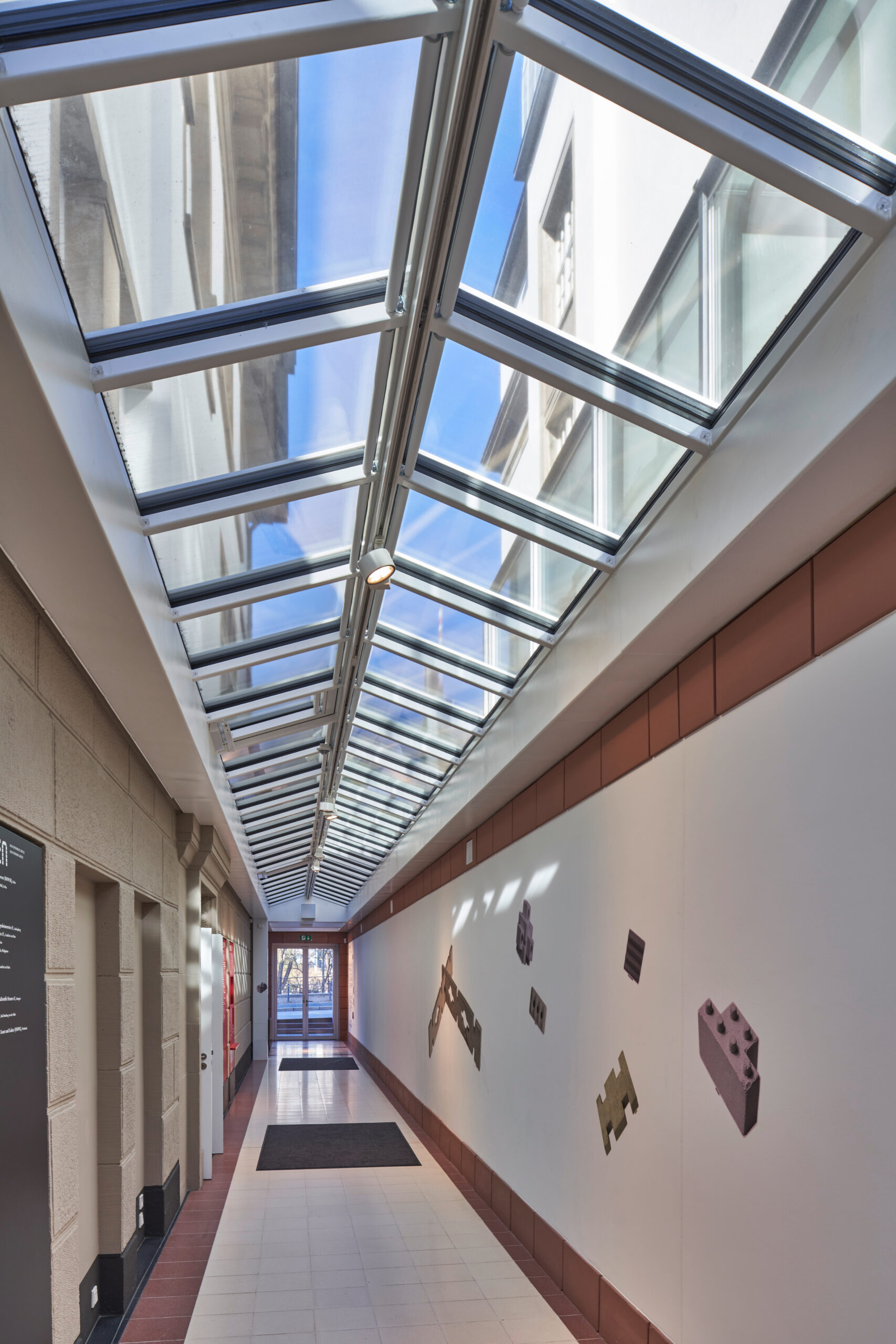
A historic orangerie museum near Munich, comprehensively renovated to meet modern performance standards. The glazed facade overlooking the castle park gardens was the central challenge. Shading built into the glass resolved the indoor climate without touching the views or the character of the space.
Artwork in the right light. Gardens in full view.
The Kallmann Museum sits within the historic castle park of Ismaning, near Munich, housed in a faithful replica of a neoclassical orangerie originally built in the early 19th century. Dedicated to the work of painter Hans Jürgen Kallmann, the museum also hosts several exhibitions of modern and contemporary art each year.
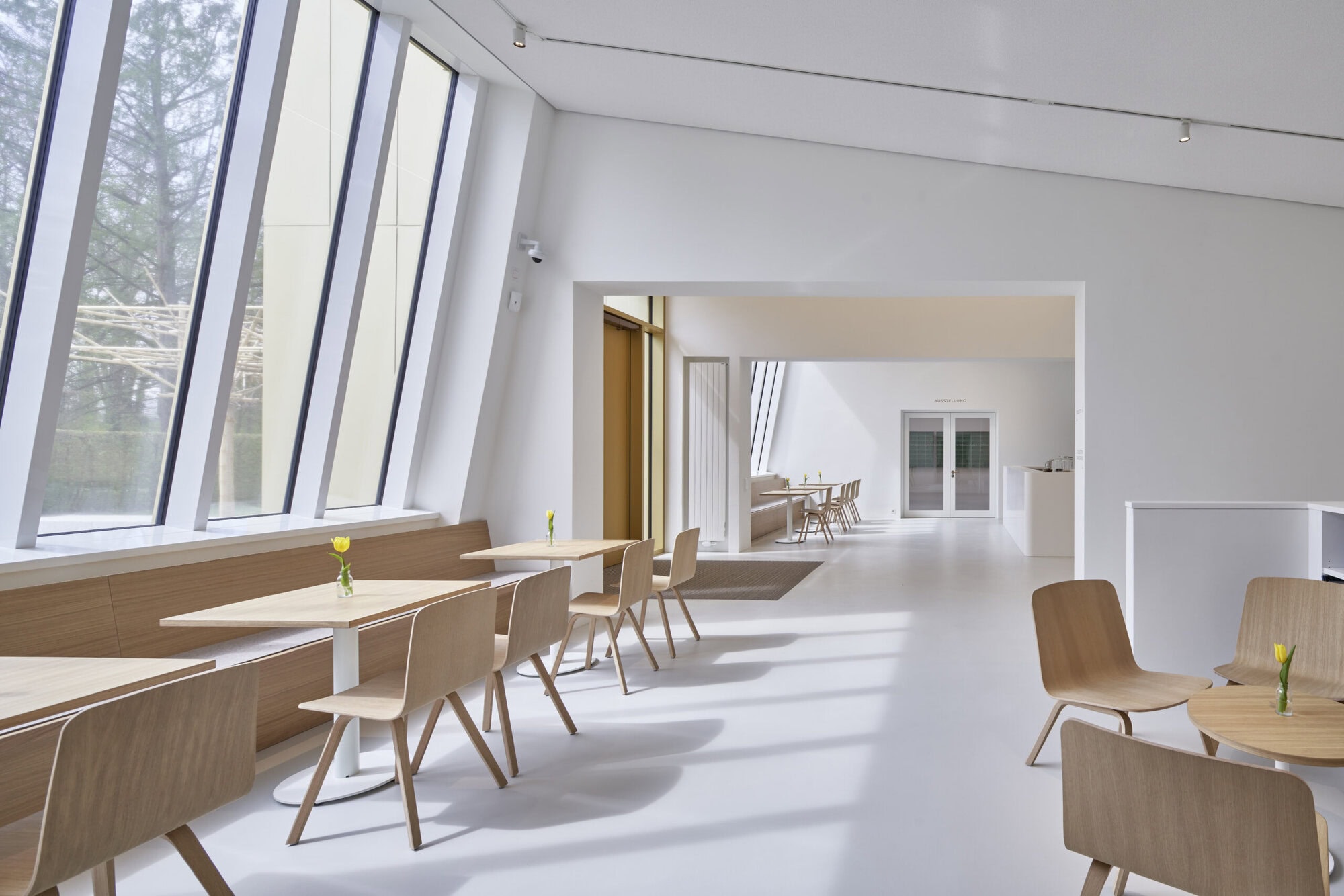
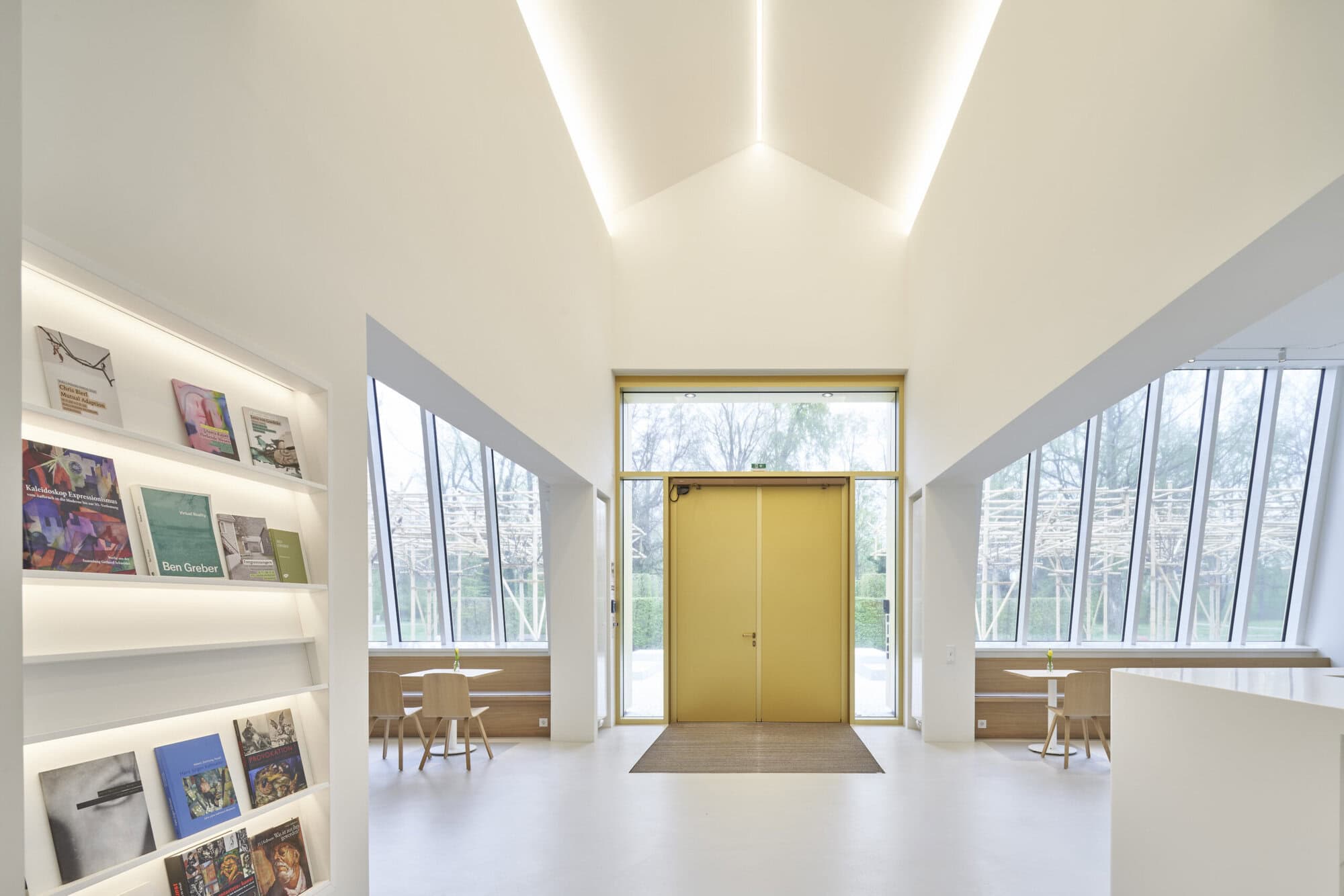
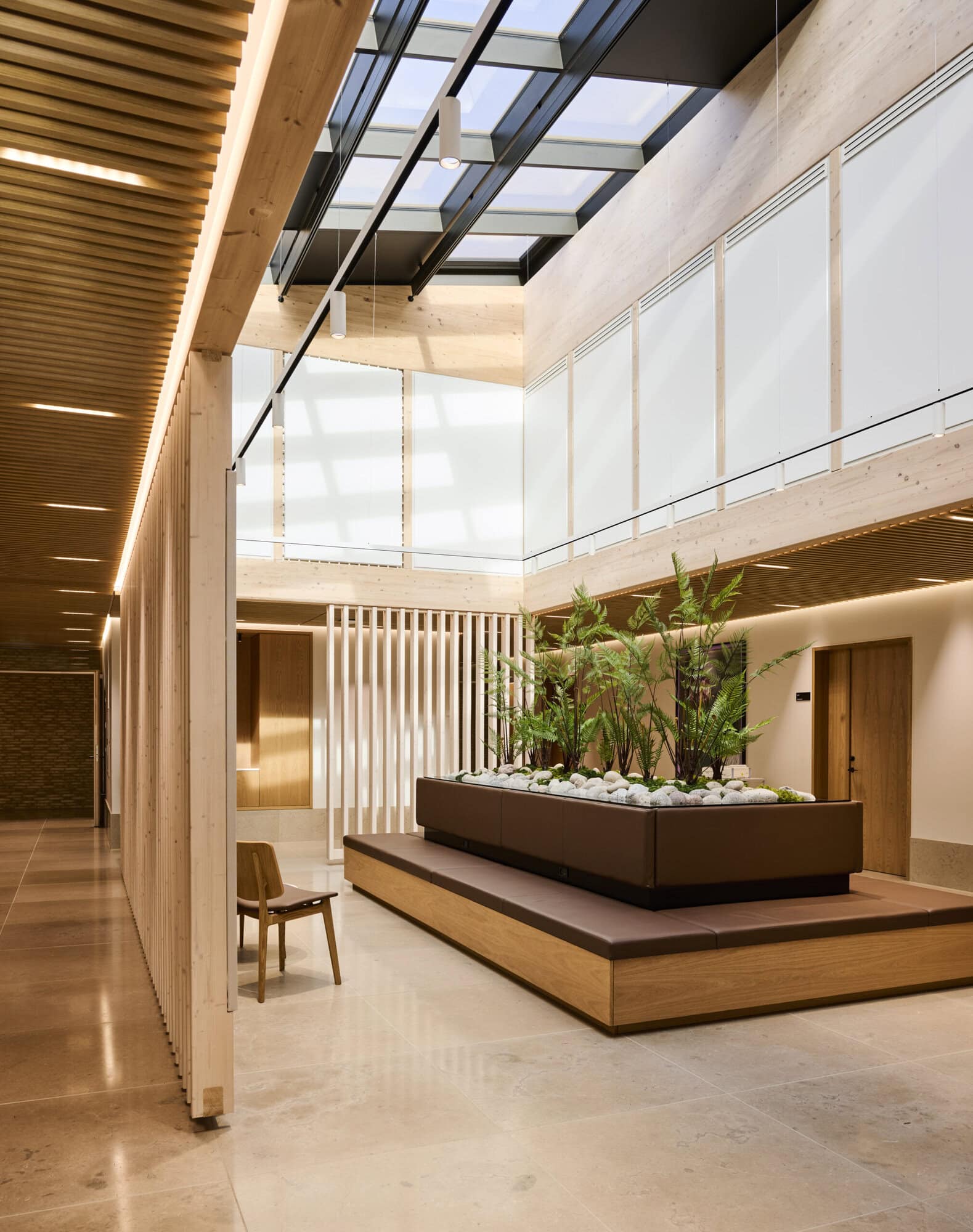
Between 2023 and 2024 the museum underwent a comprehensive modernisation, carried out by Venus Architekten in Munich, expanding the space, improving energy performance and making the building fully accessible. As part of that renovation, the entrance area and café were redesigned with a strong focus on light, transparency and thermal comfort. The glazed orangery facade, which had long posed challenges for indoor climate control, was identified as the critical element to resolve.
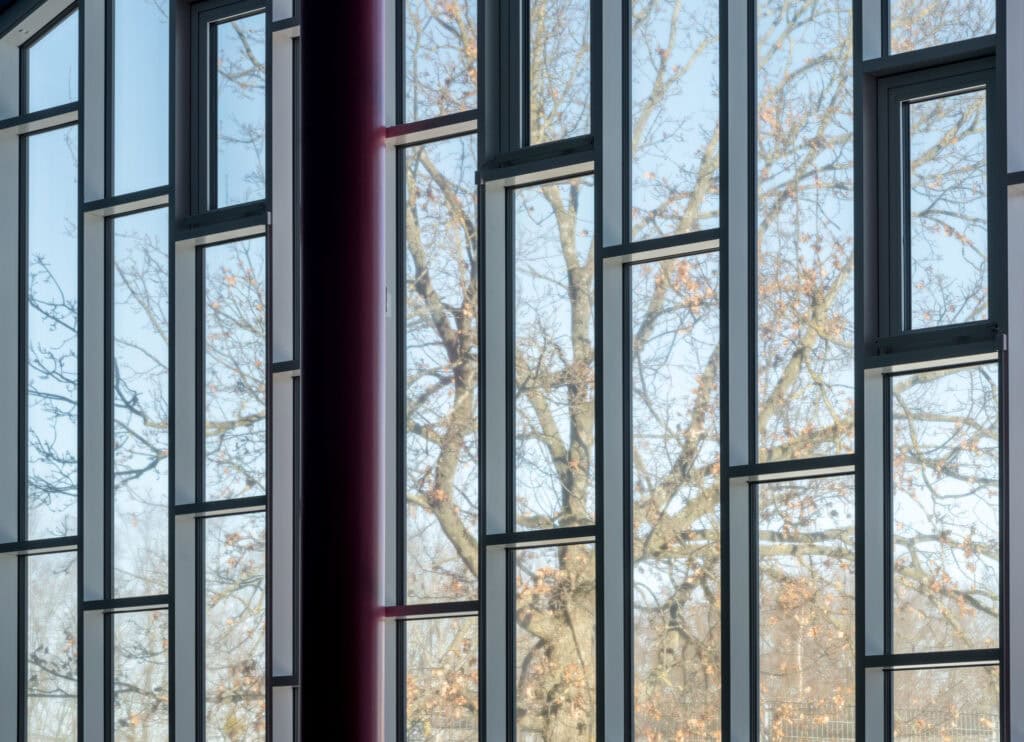
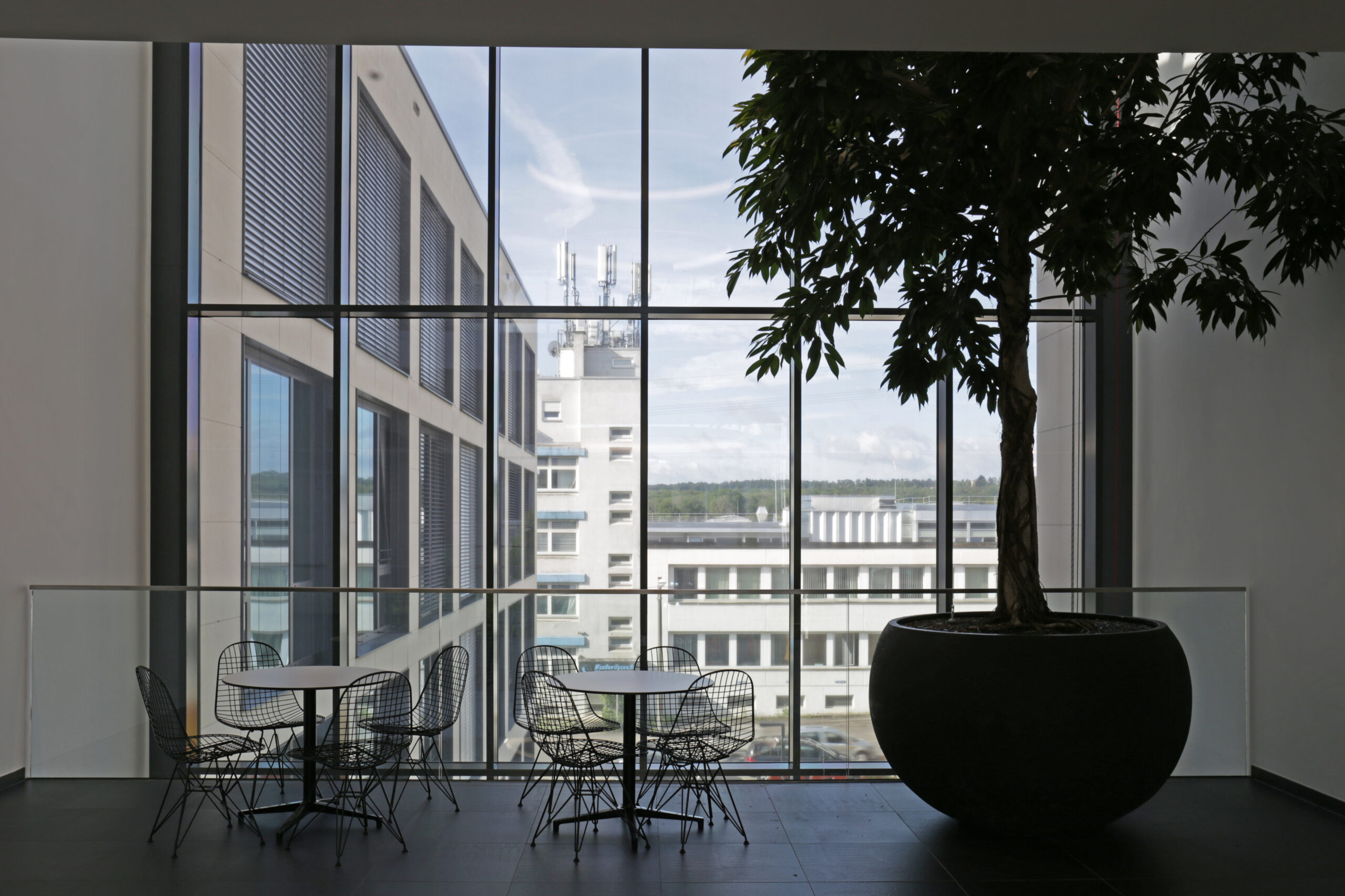
MicroShade® was integrated directly into the glazing of the orangery facade, delivering passive solar protection without external systems, moving parts or maintenance requirements. The microstructure manages solar heat gain while preserving the connection to the surrounding gardens that defines the character of the space. Visitors moving from the gallery into the café now look out across the historic castle park without blinds, without glare and without discomfort. The view and the light both exactly as they should be.
The Benefits of MicroShade
Designed to Work Without Being Seen
Modern architecture relies on glass to create openness, daylight, and visual connection. But with more glass comes more complexity: heat gain and rising cooling demand. MicroShade® is designed to solve these challenges at the source — inside the glazing itself.
Our Project Cases
Skovlunde Skole
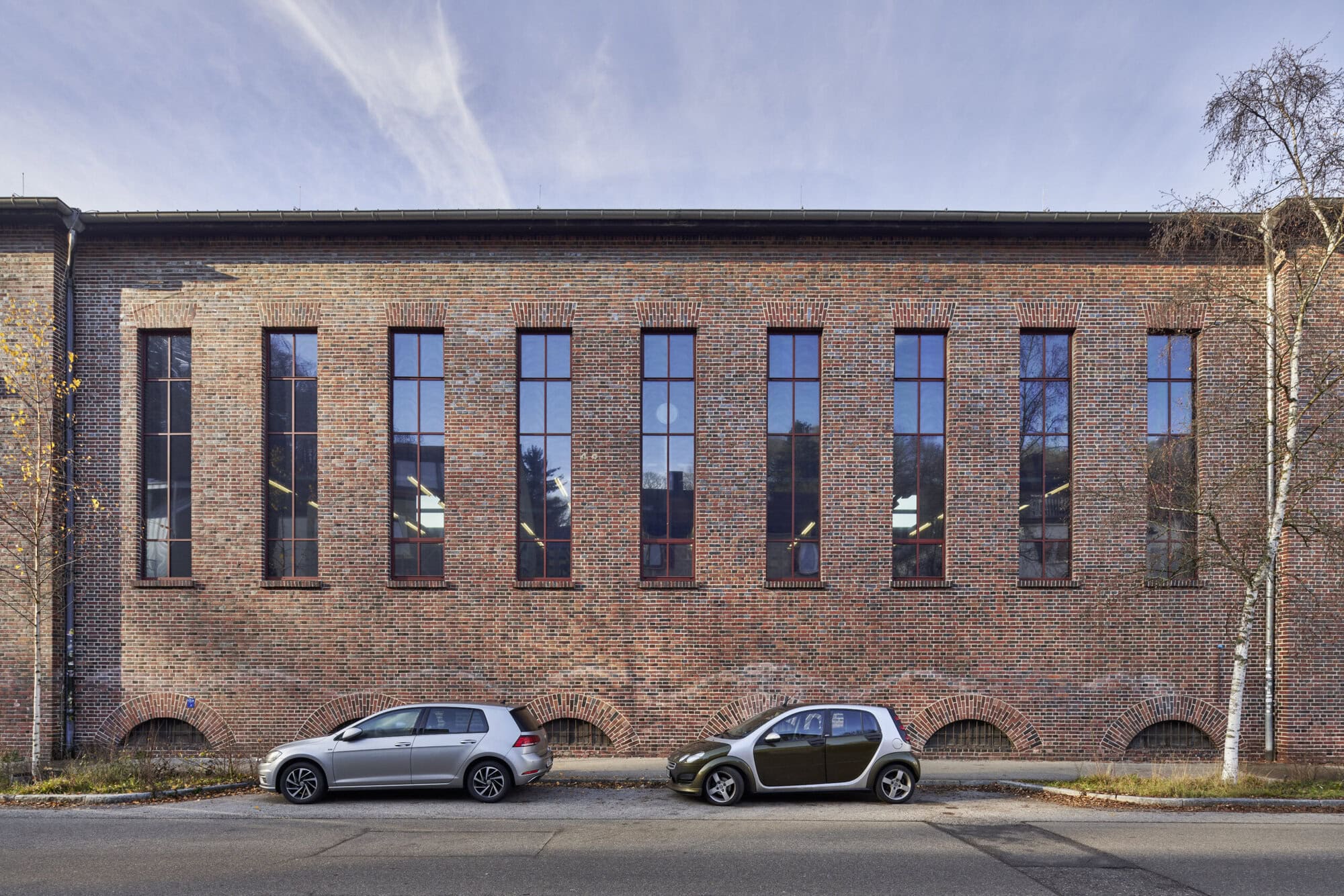
A former swimming hall transformed into a modern assembly space for students, staff and the local community. At the heart of it, a south-facing facade where light, views and comfort had to coexist.
Traditional blinds and screens require mechanical systems, power supplies, maintenance contracts and regular replacement. They block the view when closed and do nothing when open.
MicroShade® is integrated directly into the glazing unit. Passive, permanent and automatic, it works with the angle of the sun delivering shade in summer and allowing warmth through in winter. No moving parts. No intervention required.
No. Visible light transmission of 50-60% ensures interiors remain genuinely bright throughout the year. Unlike solar control glass, the microstructure blocks high-angle solar heat while allowing diffuse daylight to pass through freely.
Colour rendering above Ra 95 means natural light inside the building stays true to its source.
Yes. The product integrates into standard double or triple glazed units and is suitable for both new construction and retrofit projects. No mechanical systems, no wiring and no structural modifications are required.
There is no impact on the building exterior and no additional trades are needed beyond the glazing contractor already on the project.
The microstructure film sits protected inside the glazing cavity and is almost imperceptible to the naked eye, though the join between sheets is visible on close inspection. From the outside the facade looks clean and as designed.
From the inside the view out remains clear and unobstructed at all times. No tint, no visible pattern and no reduction in the quality of the outlook.
Related cases

Heilbronn GRAVITY
A landmark innovation hub on the Bildungscampus Heilbronn, designed by Auer Weber and opened in December 2025 as the new home of Campus Founders. The building's distinctive glazed south facade and roof were the critical solar challenge in a building built around openness and transparency.
Stay ahead of the brief
Sign Up For
Our Newsletter
Get the latest insights on solar shading, daylighting and building performance delivered directly to your inbox. No noise. Just relevant knowledge when you need it.