



Project Case
Deutsches Architekturmuseum (DAM)
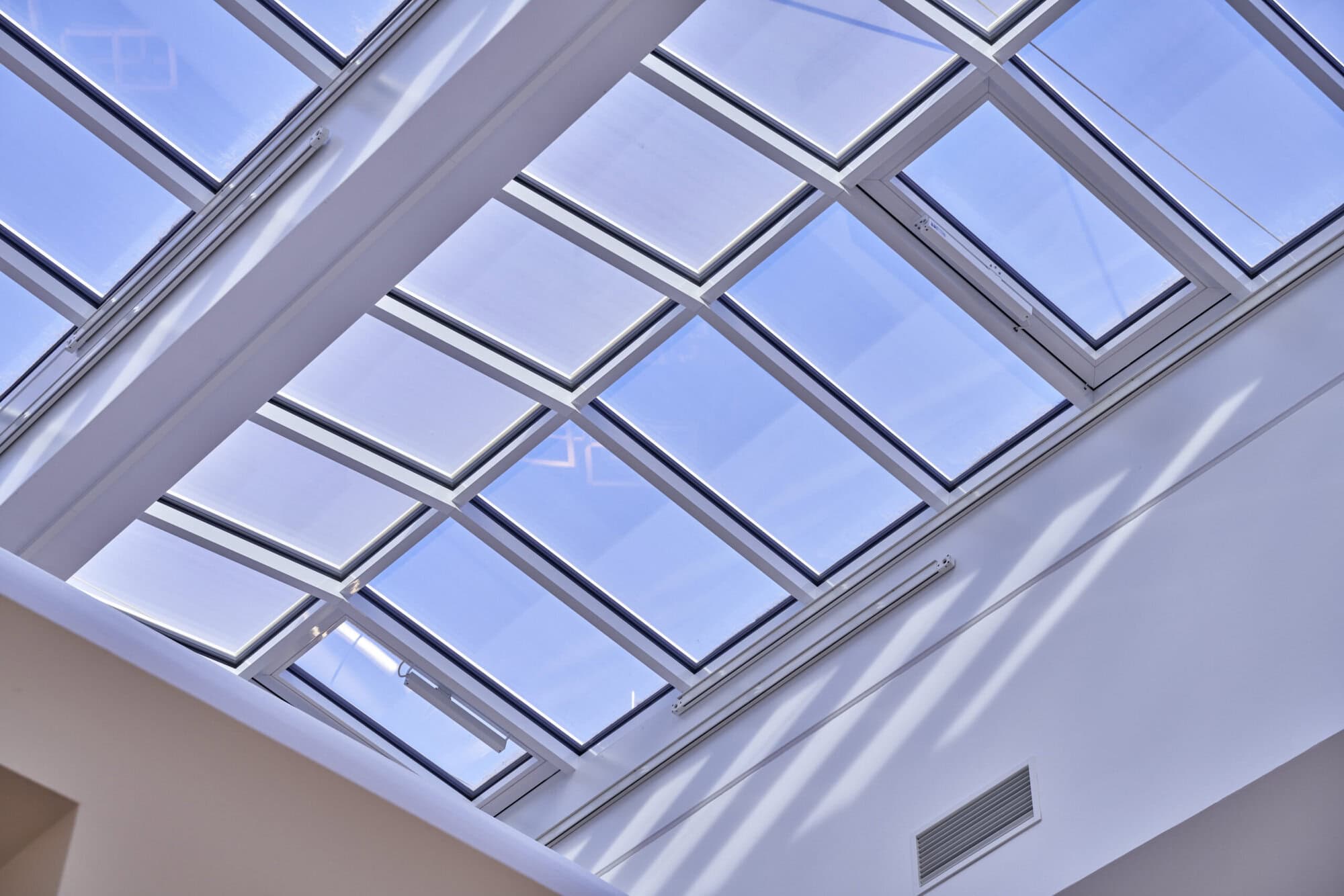
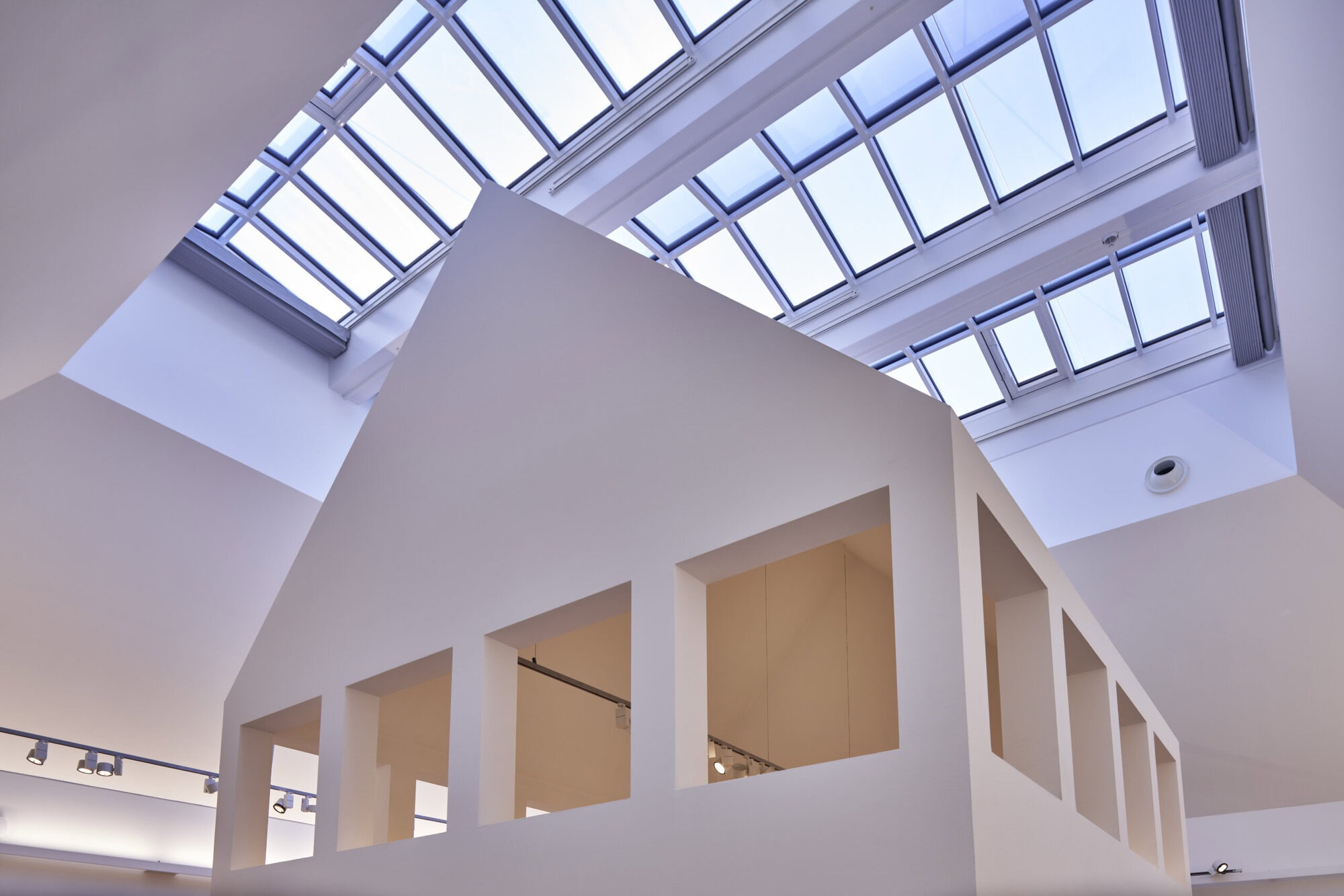
One of Europe’s most influential architecture museums, reopened after its most extensive renovation to date. Large glass roof structures had created severe thermal challenges for decades, threatening both visitor comfort and sensitive exhibition materials. Shading integrated into the glazing resolved the conflict between daylight and heat without touching the iconic visual composition of the building.
Climate-smart architecture with MicroShade
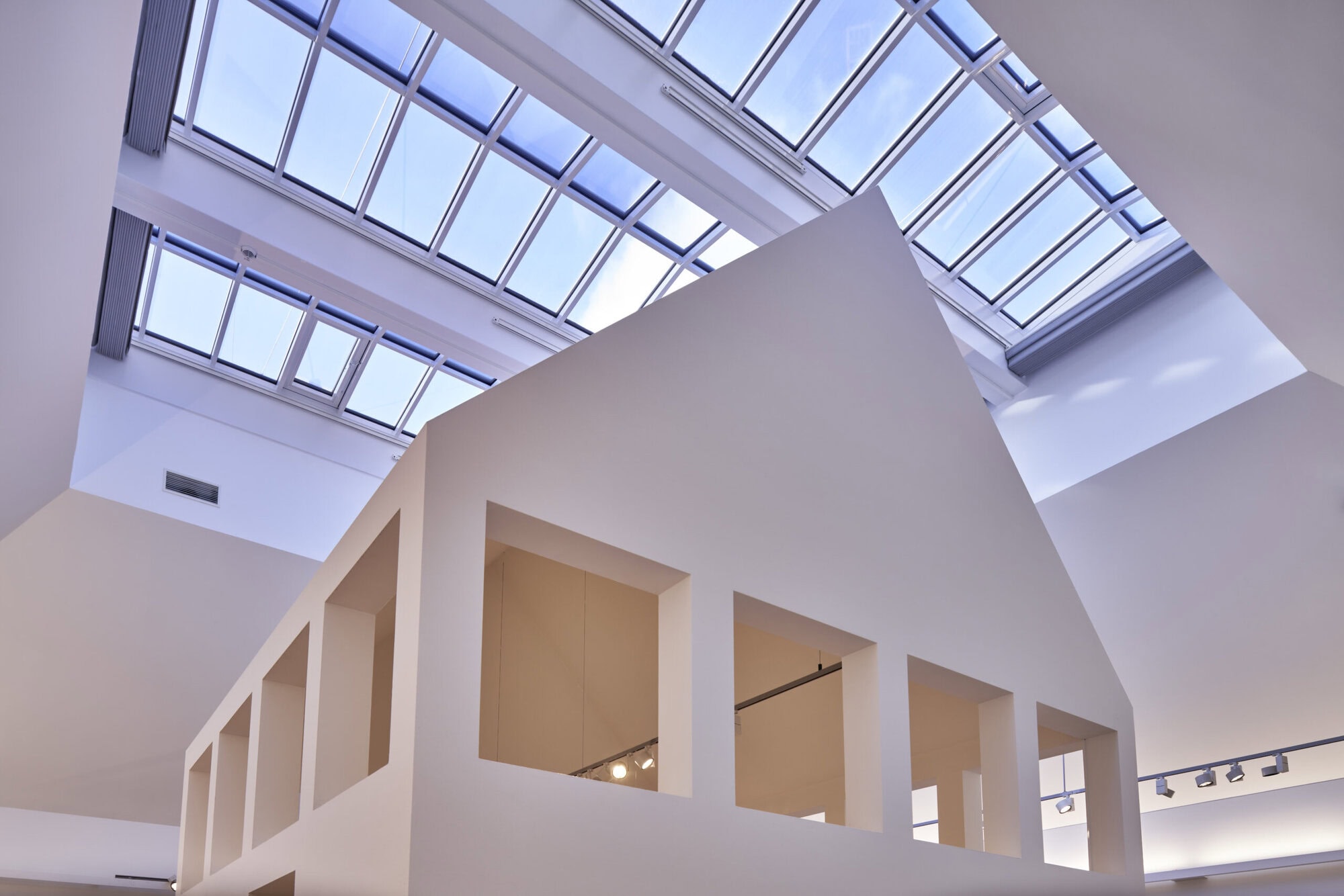
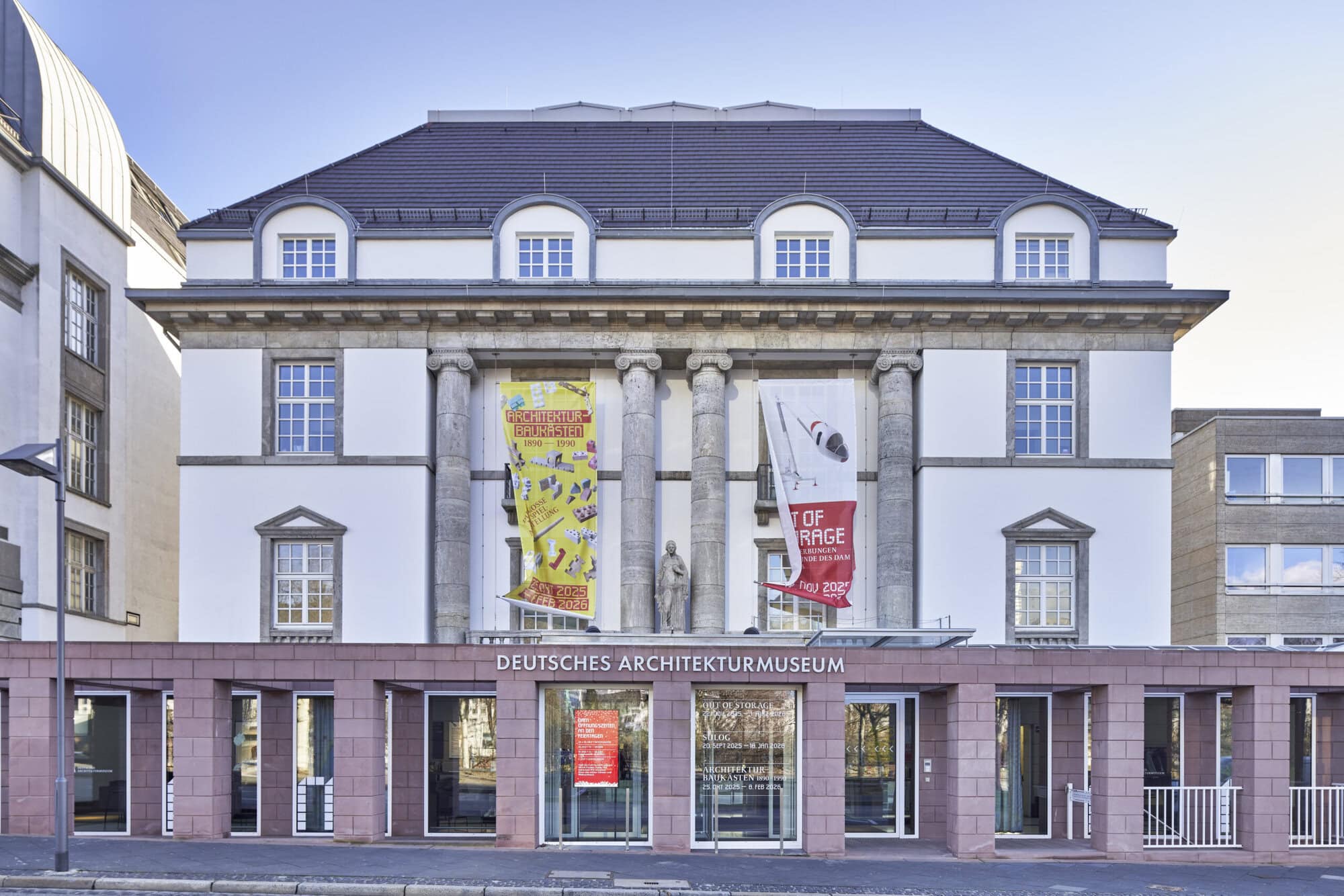
When the Deutsches Architekturmuseum (DAM) in Frankfurt reopened its doors after its renovation in June 2025, it marked far more than the end of a lengthy closure. It signalled a decisive upgrade to one of Europe’s most influential architecture museums – technically, climatically, and functionally. Known for its iconic “house‑within‑a‑house” concept, created by Oswald Mathias Ungers in 1984, the museum faced pressing challenges: an ageing building envelope, rising energy consumption, and unstable environmental conditions affecting both visitors and exhibitions. The comprehensive renovation aimed to modernise the museum without compromising its architectural identity.
A centrepiece of this transformation is the installation of MicroShade®, which enables the retention of bright, natural daylight while efficiently reducing the influx of solar energy and lowering ventilation requirements.
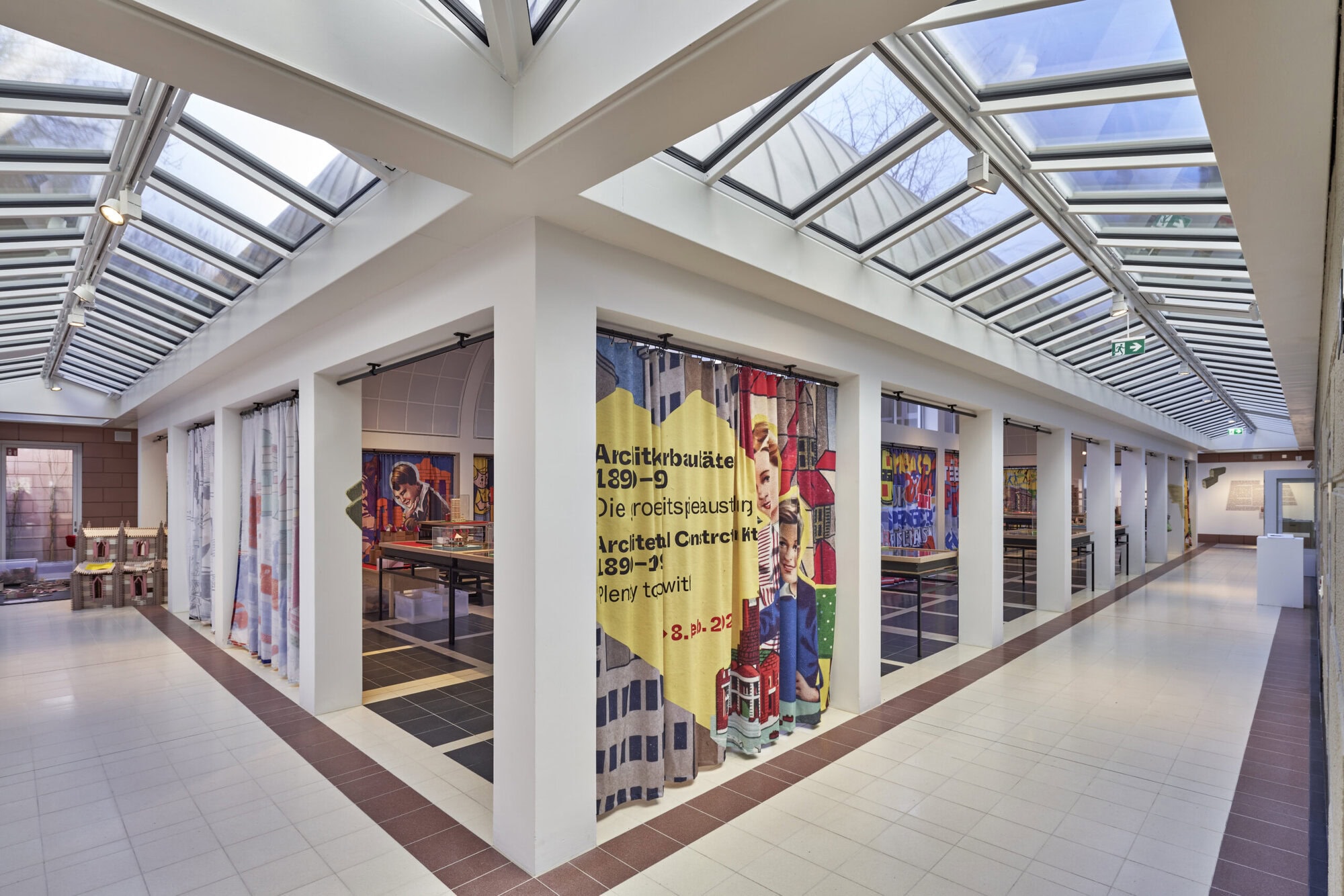
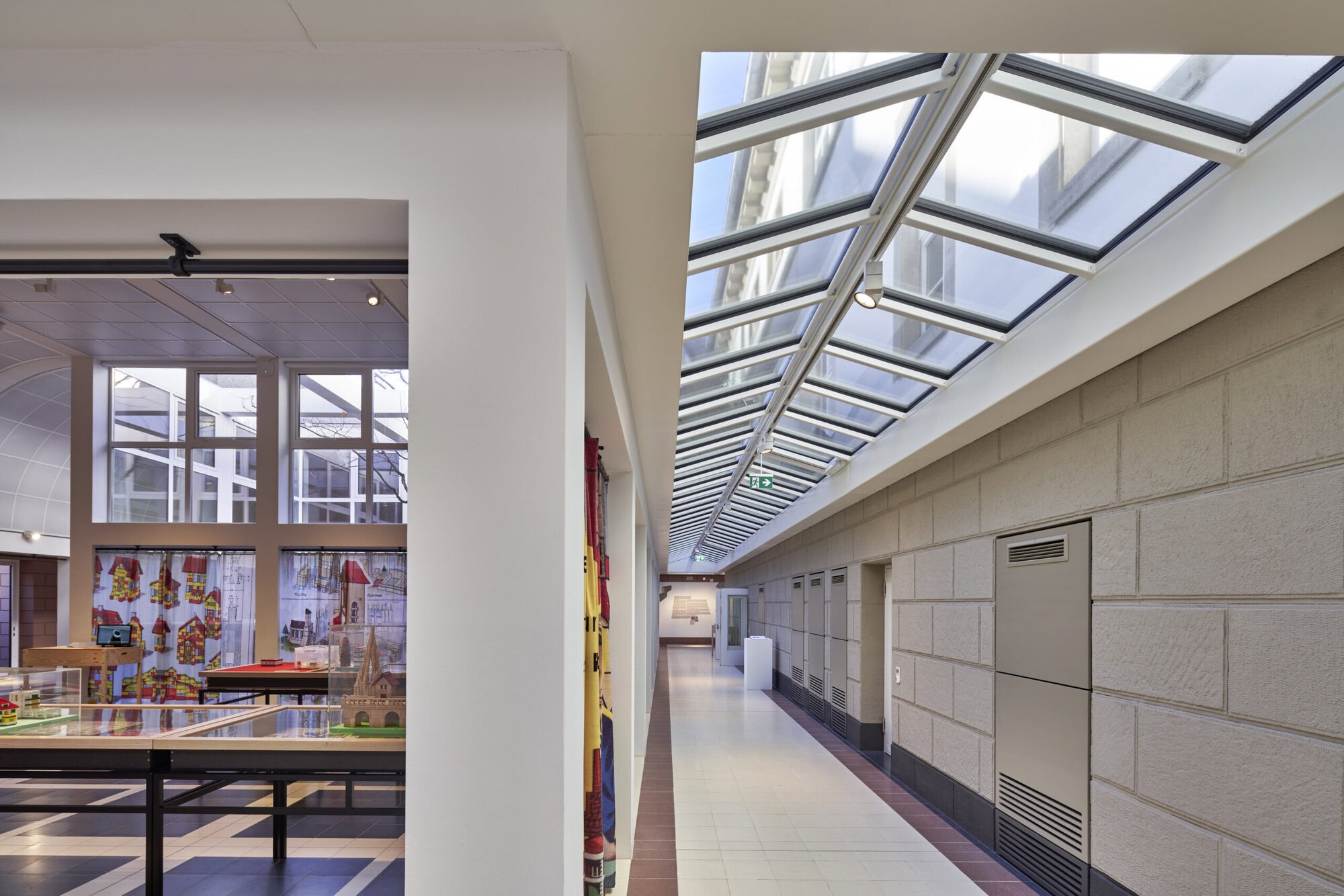
DAM had undergone renovations before, but this was the most extensive. The museum’s large glass roof structures, though architecturally significant, created severe thermal and lighting issues. This resulted in fluctuating indoor climates, high energy loads, and unsuitable conditions for sensitive exhibition materials.
This longstanding conflict between daylight and heat, without visible shading systems or altering the building’s iconic visual composition, was resolved by selecting MicroShade®. The solution reinforces DAM’s original architectural narrative – light, geometry, transparency – while meeting modern energy standards and achieving far more stable indoor conditions, and at MicroShade, we are proud to have contributed to this result.
Client Testimonial
In their own words
“During the summer of 2025, the foyer experienced pleasant and comfortable temperatures, creating a relaxing environment for staff at the entrance and in the café. As we find ourselves in the midst of the winter of 2025/2026, it is interesting to note that the temperatures in the glass-covered foyer are satisfactory and unremarkable, which is a novel occurrence. It is very easy to become accustomed to the experience of a calm normality – however, for those who were here before the renovations, the difference is astonishing. During the summer months, the temperature in the foyer could reach between 38 and 40 degrees during the afternoon. In contrast, during the winter period, temperatures could drop to as low as 12 degrees, even with the use of heating.
Another noteworthy aspect is that the natural light which enters the museum remains faithful to its colour, which is a remarkable achievement when considering the normal effects of sunshading glass. It is essential for users to have the ability to experience artwork and photographs in this way.”
– Peter Cachola Schmal, Director at Deutsches Architekturmuseum:
Our Project Cases
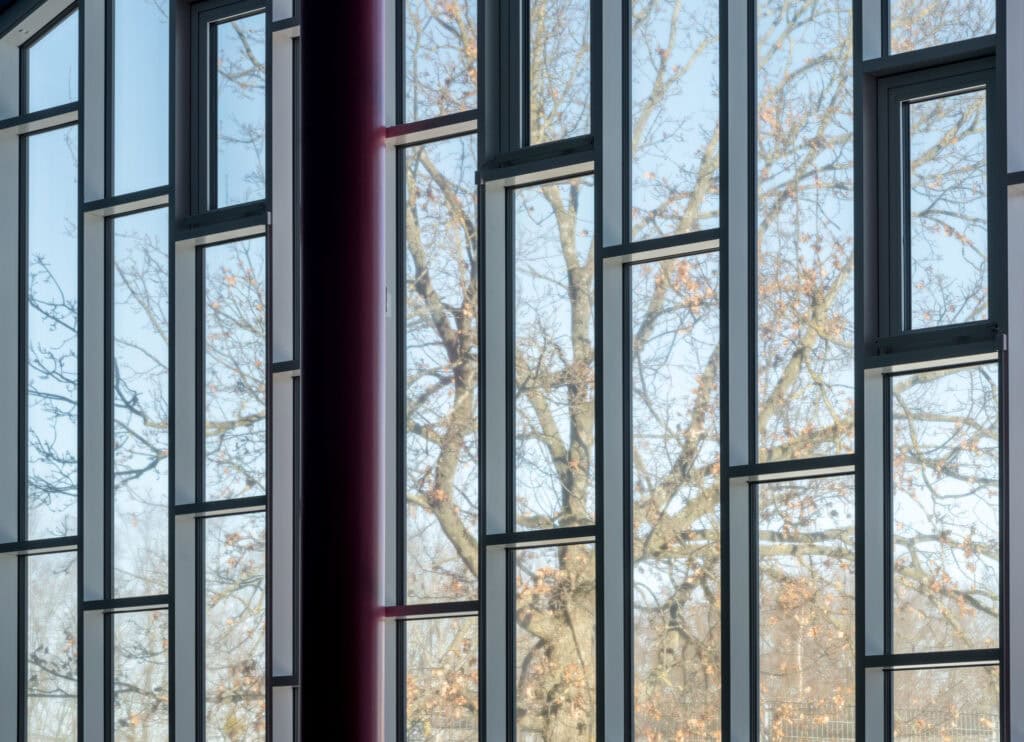
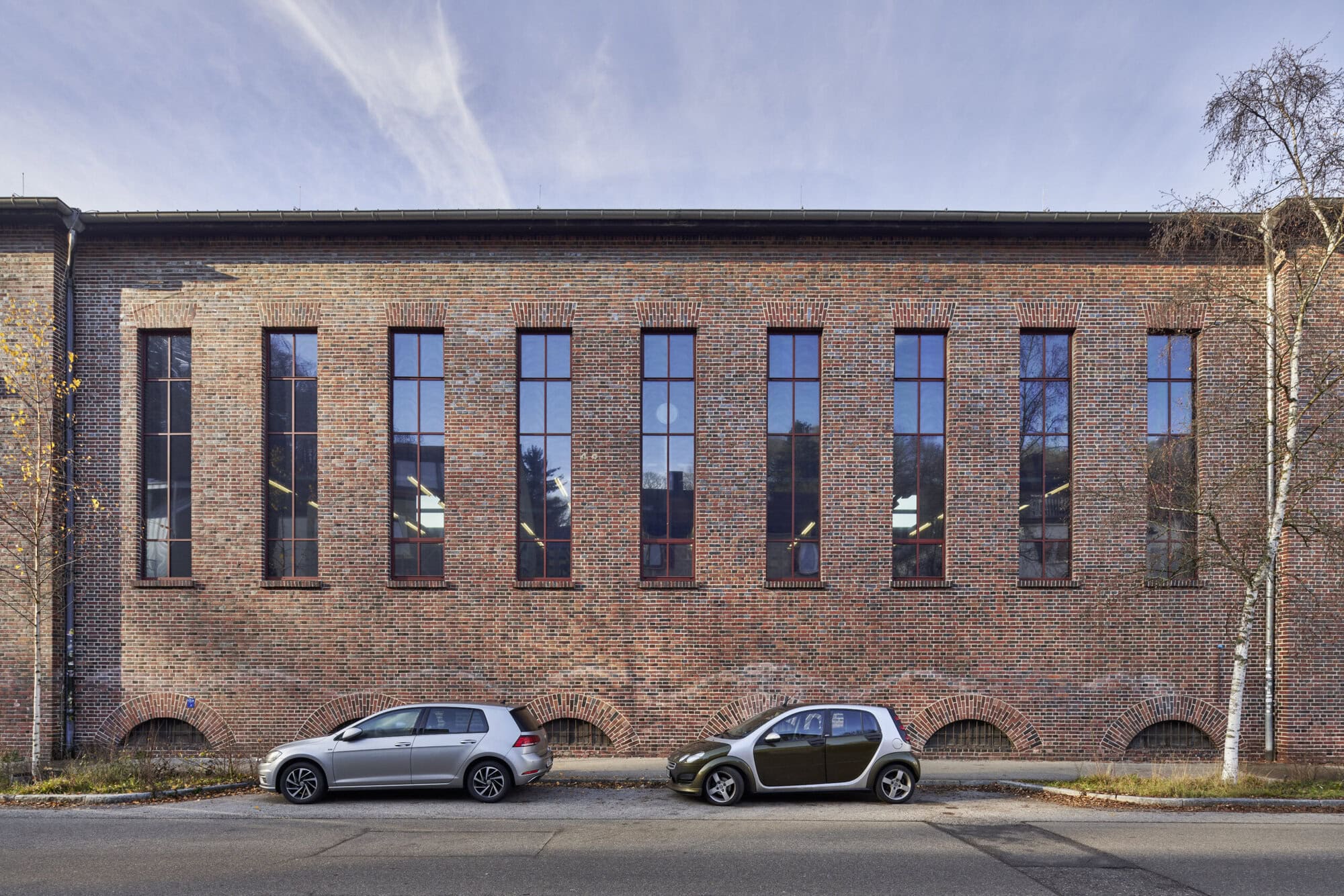
Skovlunde Skole
A former swimming hall transformed into a modern assembly space for students, staff and the local community. At the heart of it, a south-facing facade where light, views and comfort had to coexist.
Traditional blinds and screens require mechanical systems, power supplies, maintenance contracts and regular replacement. They block the view when closed and do nothing when open.
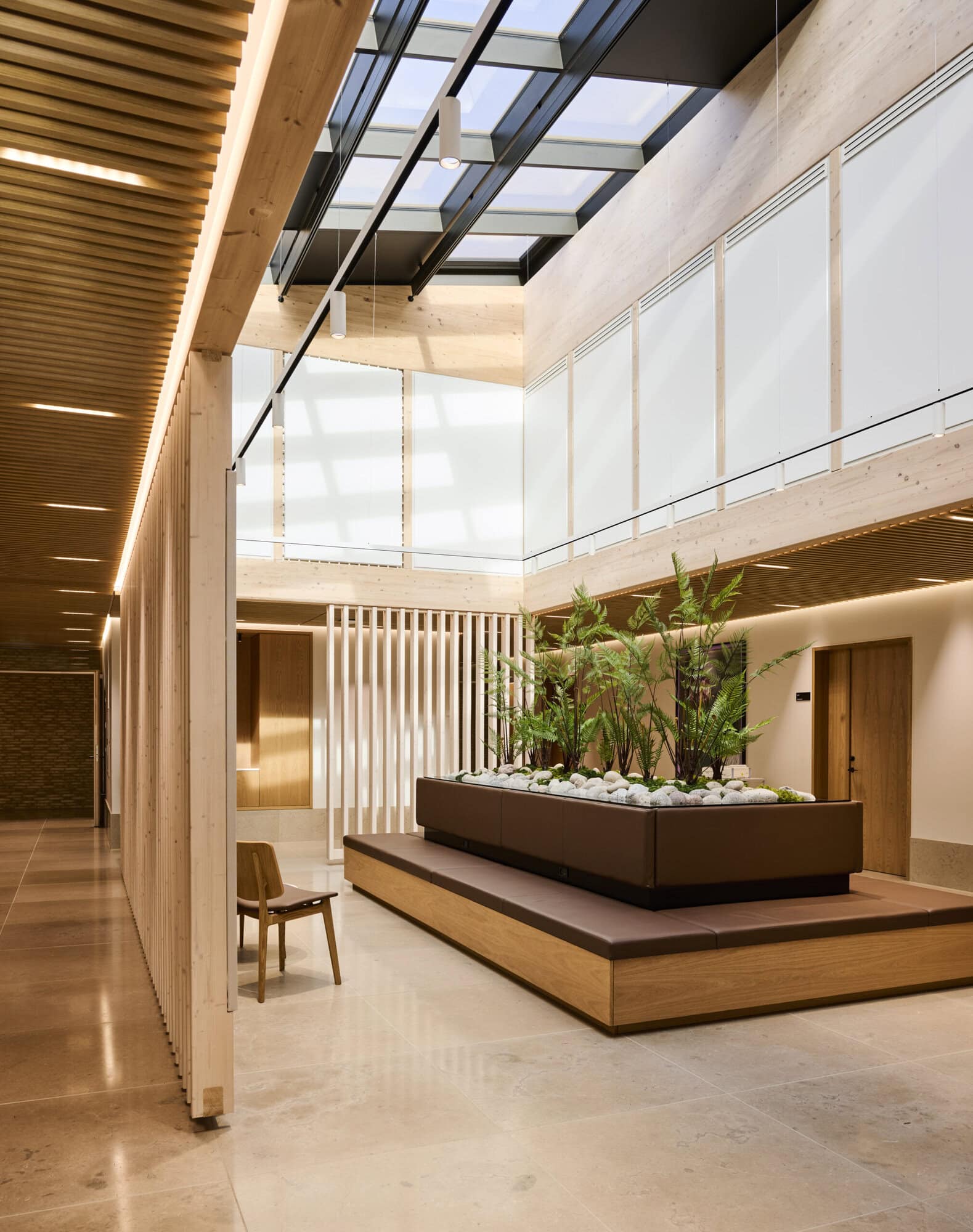
MicroShade® is integrated directly into the glazing unit. Passive, permanent and automatic, it works with the angle of the sun delivering shade in summer and allowing warmth through in winter. No moving parts. No intervention required.
No. Visible light transmission of 50-60% ensures interiors remain genuinely bright throughout the year. Unlike solar control glass, the microstructure blocks high-angle solar heat while allowing diffuse daylight to pass through freely.
Colour rendering above Ra 95 means natural light inside the building stays true to its source.
Yes. The product integrates into standard double or triple glazed units and is suitable for both new construction and retrofit projects. No mechanical systems, no wiring and no structural modifications are required.
There is no impact on the building exterior and no additional trades are needed beyond the glazing contractor already on the project.
The microstructure film sits protected inside the glazing cavity and is almost imperceptible to the naked eye, though the join between sheets is visible on close inspection. From the outside the facade looks clean and as designed.
From the inside the view out remains clear and unobstructed at all times. No tint, no visible pattern and no reduction in the quality of the outlook.
Related cases

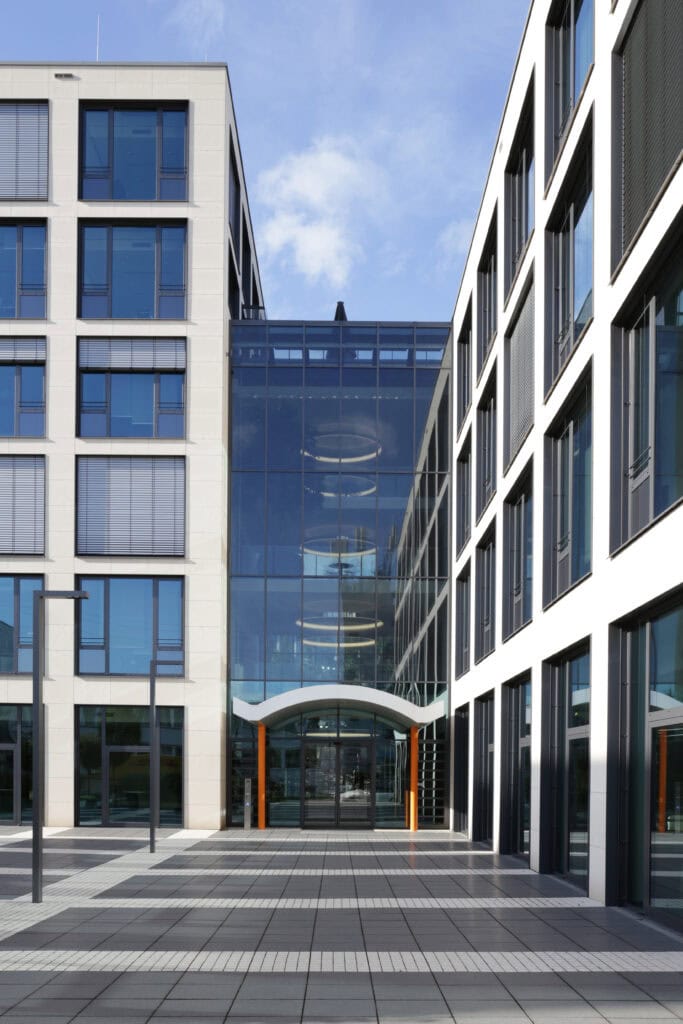
Heilbronn GRAVITY
A landmark innovation hub on the Bildungscampus Heilbronn, designed by Auer Weber and opened in December 2025 as the new home of Campus Founders. The building's distinctive glazed south facade and roof were the critical solar challenge in a building built around openness and transparency.
Lapp Group EU Headquarters
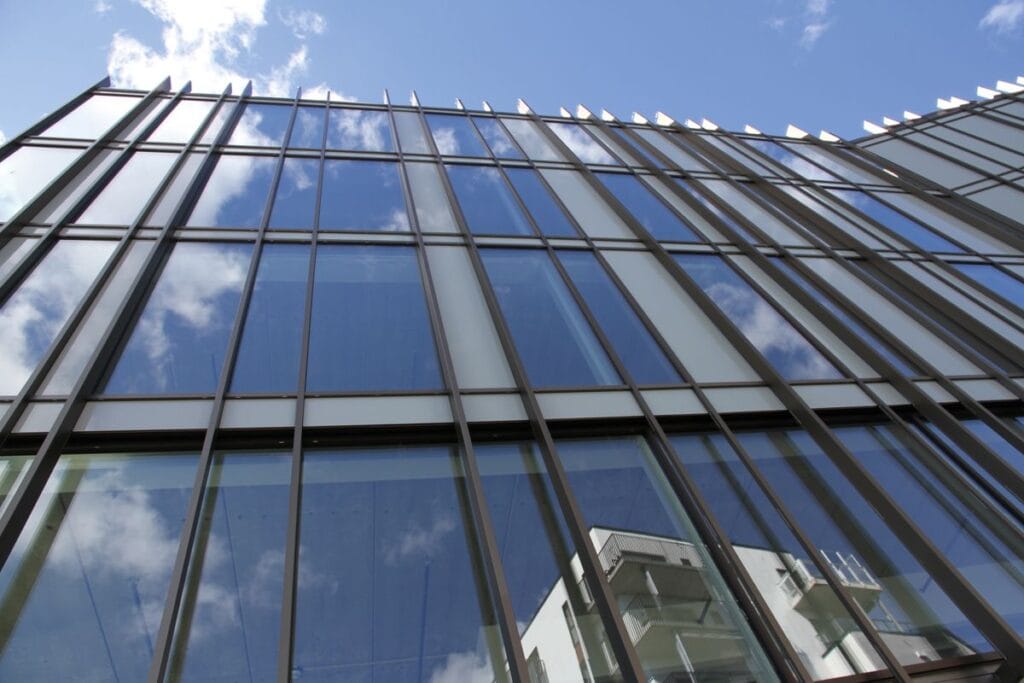
The atrium facade at U.I. Lapp GmbH's Schulze-Delitzsch-Straße site needed to balance two demands that often work against each other: a genuinely comfortable indoor climate and an uncompromised, transparent glass facade. For a modern, energy-conscious building, neither could be sacrificed for the other MicroShade® was integrated directly into the inner face of the outer pane, automatically adjusting light and energy transmission throughout the day as the angle of the sun changes. The shading requires no manual control and operates entirely autonomously, making it a natural fit for a building designed around energy efficiency.


Stay ahead of the brief
Sign Up For
Our Newsletter
Get the latest insights on solar shading, daylighting and building performance delivered directly to your inbox. No noise. Just relevant knowledge when you need it.